

Platform
A light-conversion platform that delivers wavelength-matched red light as an added feature
Innovative platform
Changing the red light game
Passiva has created a biocompatible material that converts ambient light into targeted red and near-infrared output. The material is a converter, not a filter. It takes energy that arrives across the whole spectrum and re-emits it matched to the 635 to 850 nanometer band used across published photobiomodulation research.
The additive is built to be integrated into topical creams, serums, bandages, eyeglasses, contact lenses, and sunglasses, plus more than 30 common polymers.
How it works
Broadband in. Matched band out.
Light arrives across the ultraviolet, visible, and infrared range. What leaves the conversion layer is concentrated at 635 to 850 nanometers, matched to the wavelengths powered light therapy devices are built to produce.
Passive Light Technology™
Filtering removes part of the spectrum and diffuses the power of the wave. Conversion absorbs that energy and re-emits it inside the target band, so it is redirected rather than discarded. Harmful blue and UV light is reduced in the process.
Optimal bio-response
PLT additives are tunable to the needs of each application. The light therapy industry has reproducibly outlined a dosage window, and PLT is designed to sit inside it.
Output is bounded by two things: how much ambient light is available and how much PLT is in the formula. The formula sets the ceiling, which is a property a powered device does not have.
Multiple wavelengths
PLT™ additives provide wavelength diversity, allowing a wide array of light therapy applications. They are currently able to be integrated into over 30 common polymers used across a diverse application pool.
Simple, effective applications
Passiva delivers red light into everyday products at the same wavelengths and dosages that powered red light products deliver, but as a passive conversion. Products may achieve enhanced benefits based on the addition of Passive Light Technology.
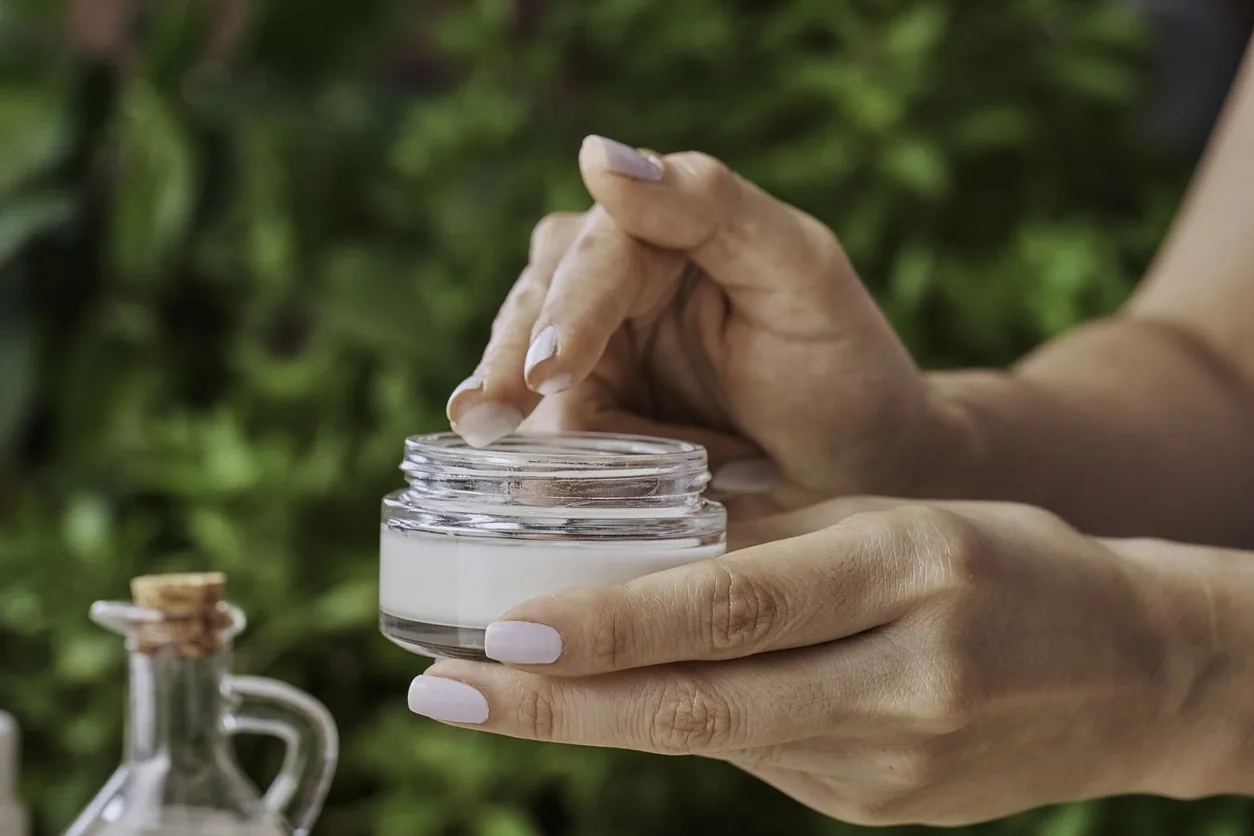
- A bio-inert optical skin cream that absorbs UV and combines with conventional serums and moisturizers
- An eyeglass or contact lens treatment carrying the matched band through the whole wearing day
- A bandage that converts room light across the hours it is already worn
- An over-the-counter cream or gel that adds the band without adding a step to the routine
These are formats PLT integrates into, not claims for any finished product. Every formulation is different, requires its own testing, and carries its own substantiation.
End customer value
What it means for the person using it
- Seamless use, embedded in a routine they already have
- Red Light on the Go delivers results anytime, anywhere
- Enhanced sun protection while reducing negatively perceived chemicals
- Non-invasive, non-toxic, and compatible with sensitive skin and the environment
Answers
What people ask about the platform
What is Passive Light Technology?
A bio-inert, light-converting additive that turns ambient and solar light into red and near-infrared wavelengths inside the product itself. It converts light that is already there rather than generating any, so there is no battery, cord, or device. It is added at the formulation level, in a new formula or an existing one.
How is light conversion different from light filtering?
Filtering removes part of the spectrum and diffuses the power of the light wave. Conversion absorbs that energy and re-emits it inside the target band, so the energy is redirected rather than discarded.
Is PLT tunable to a specific application?
Yes. PLT additives are tunable to the needs of each application and are designed to sit inside the therapeutic dosage window the light therapy industry has reproducibly outlined.
What wavelengths does PLT emit?
PLT is matched to the 635 to 850 nanometer band, the red and near-infrared range used across published photobiomodulation research. Output is tunable within that band to the needs of each application.
Can PLT put out more light than intended?
No. Output is bounded by two things: how much ambient light is available, and the concentration of PLT in the formula. The formula sets the ceiling, which is a property a powered device does not have.
How many materials can PLT be integrated into?
PLT is currently able to be integrated into more than 30 common polymers used across a diverse application pool, plus glycerol-bonded fluid formats for creams, serums, and lotions.
Let's get started
Cost-effectively enable red light in any product
Passiva is ready to help evolve and differentiate any new or existing medical, cosmetic, or vision care product through the power of Passive Light Technology.